Taylance Tech
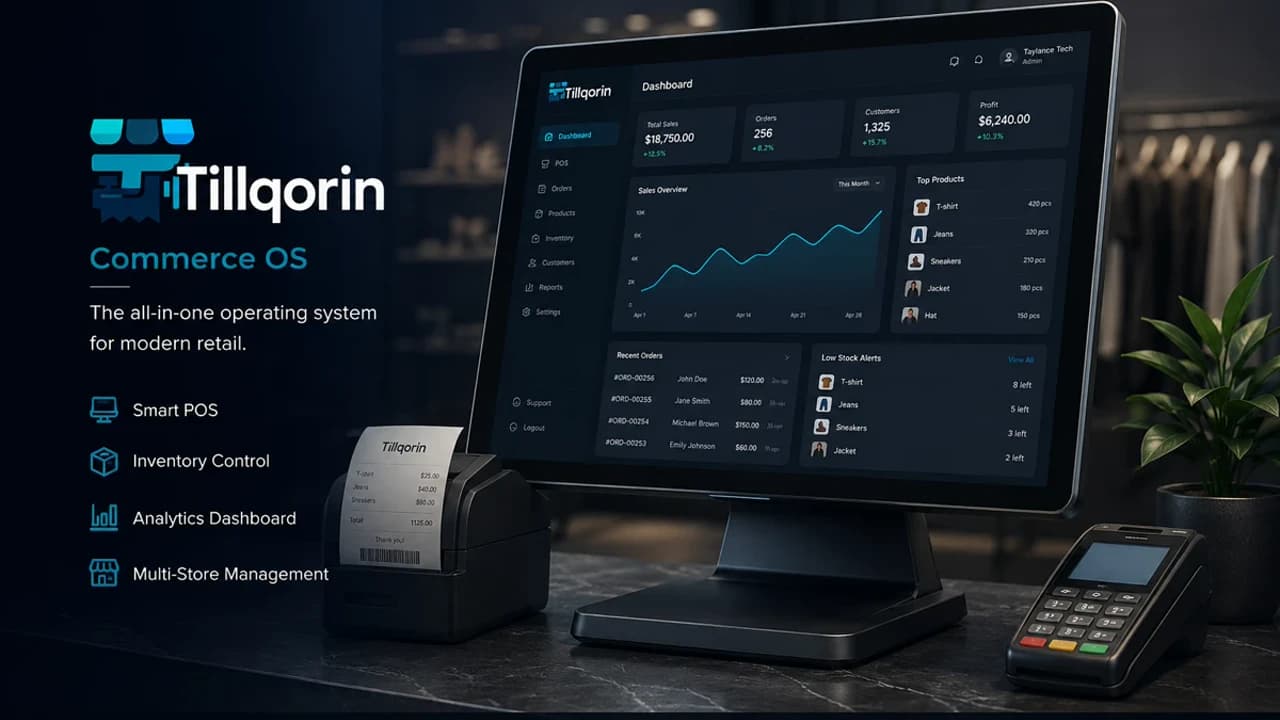
Tillqorin — POS & Commerce OS for Retail
- Unified sales, purchase, inventory, and accounts in one product
- Analytics dashboard with revenue, expense, and net profit trends
- Thermal, A4, and A5 invoice printing with branded receipts
Taylance Tech is a founder-led studio started by friends who build software together. We keep engineering, design, and AI in-house, so the people building your product are the ones you actually talk to — from the first call to launch.
10+
Projects Shipped
100%
In-House Build
2026
Founded
Remote
Worldwide Delivery

Commerce OS for retail & wholesale
Tillqorin is Taylance Tech's in-house POS and billing platform — sales, purchases, inventory, accounts, analytics, and thermal receipts in one fast web app. Built and operated by Taylance Tech at pos.taylancetech.com.
What We Do
Six things we do well — from the first wireframe to a product that's live, fast, and easy to find.
Why Taylance Tech
We're small on purpose. You work with the founders doing the actual building — no account managers, no handoffs, no telephone game.
Work directly with the people building your product — the same founding team from kickoff through launch, not a rotating cast.
We ship in short cycles and keep you in the loop, so you see the product take shape instead of waiting for a big reveal.
Architecture designed to grow with your product — from MVP to larger usage without unnecessary rewrites.
Ongoing maintenance and quick responses when you need help after launch.
Our Process
The same four stages we use on client work and our own products — discovery through deployment.
Step 01
We get clear on your goals, your users, and the technical constraints, then agree on scope before anyone writes code.
Step 02
Wireframes, prototypes, and UI systems from our in-house designer — aligned with engineering before build starts.
Step 03
We build in modern frameworks, write tested code, and keep performance in mind from the start rather than bolting it on later.
Step 04
We launch with proper CI/CD and monitoring in place, then stick around to fix, tune, and improve after go-live.
Project outcomes
Outcomes from real products we've built and launched — see the full breakdown in each case study.

Taylance Tech

Taylance Tech

Taylance Tech
FAQ
Everything you need to know about partnering with us for your next software project.
Timelines vary depending on scope and complexity. A highly optimized marketing website typically takes 4–6 weeks, while a full SaaS platform or custom web application can take 3–8 months. During our initial consultation, we'll provide a detailed technical roadmap and timeline tailored to your specific requirements.
We offer both fixed-price and time-and-materials engagements. Fixed-price works well for well-defined scopes (like corporate websites or specific MVP builds), while time-and-materials provides flexibility for iterative product development and ongoing feature rollouts. We'll recommend the optimal model after auditing your requirements.
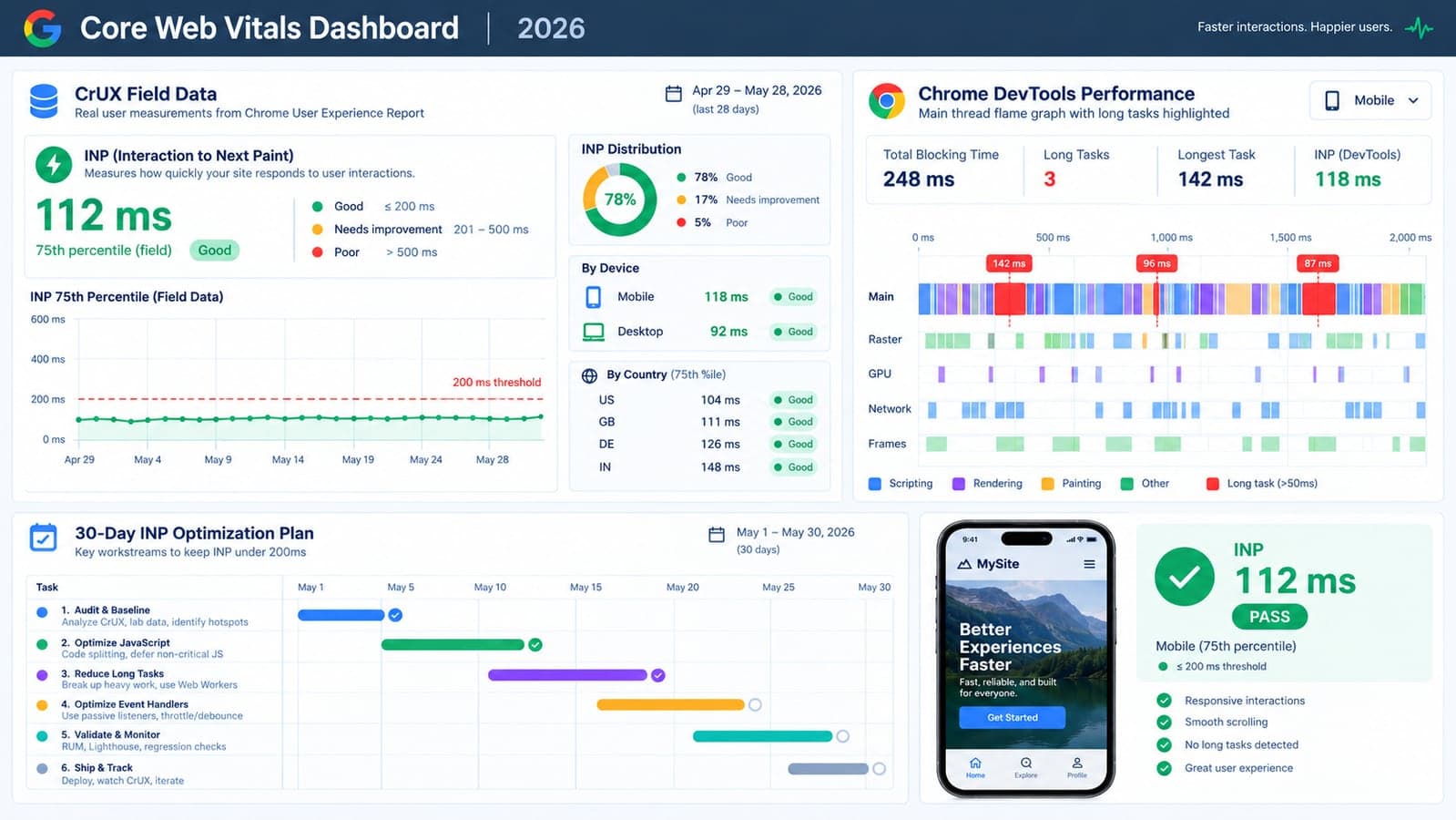
Yes. We believe in building long-term partnerships. Post-launch, we offer Service Level Agreements (SLAs) for maintenance, including performance monitoring, security patching, library updates, and iterative feature enhancements based on real-user analytics.
Absolutely. For the right fit, we augment existing teams to accelerate delivery or provide specialized expertise (such as Next.js migration, AI workflow integration, or technical SEO optimization). We adapt to your CI/CD pipelines, Git workflows, and communication preferences.
Our core enterprise stack includes React, Next.js, Node.js, and TypeScript. For databases, we leverage PostgreSQL and MongoDB. We also integrate deeply with Supabase, AWS, Vercel, and modern AI APIs (OpenAI, Anthropic) to build highly scalable, future-proof architectures.
Tell us what you're trying to build. We'll give you an honest take on scope, timeline, and how we'd approach it — no pressure.
From the Blog
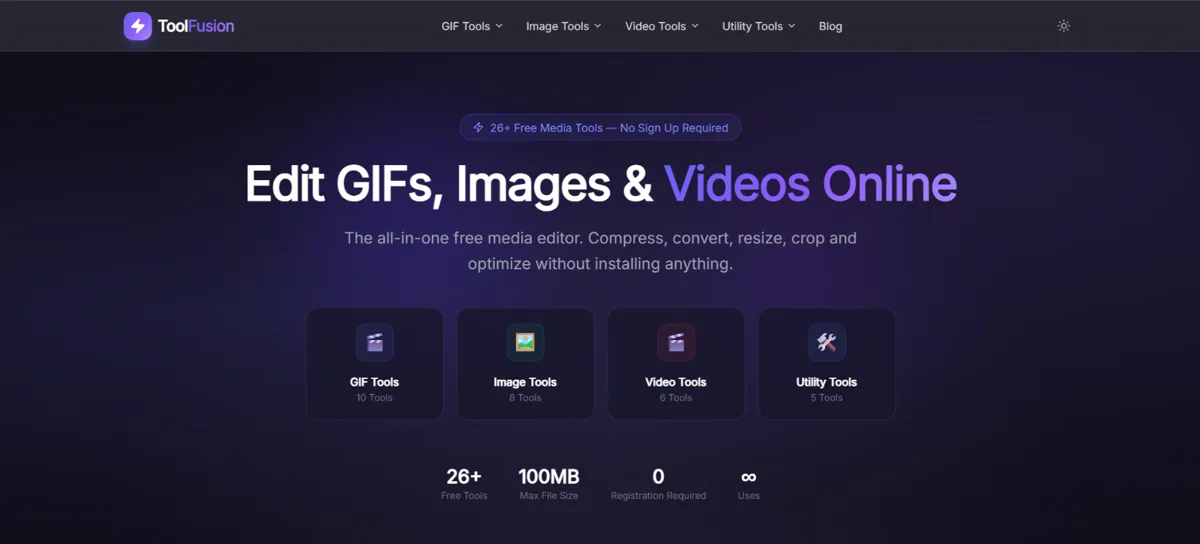
Published posts from our blog — only what we have actually written and shipped.

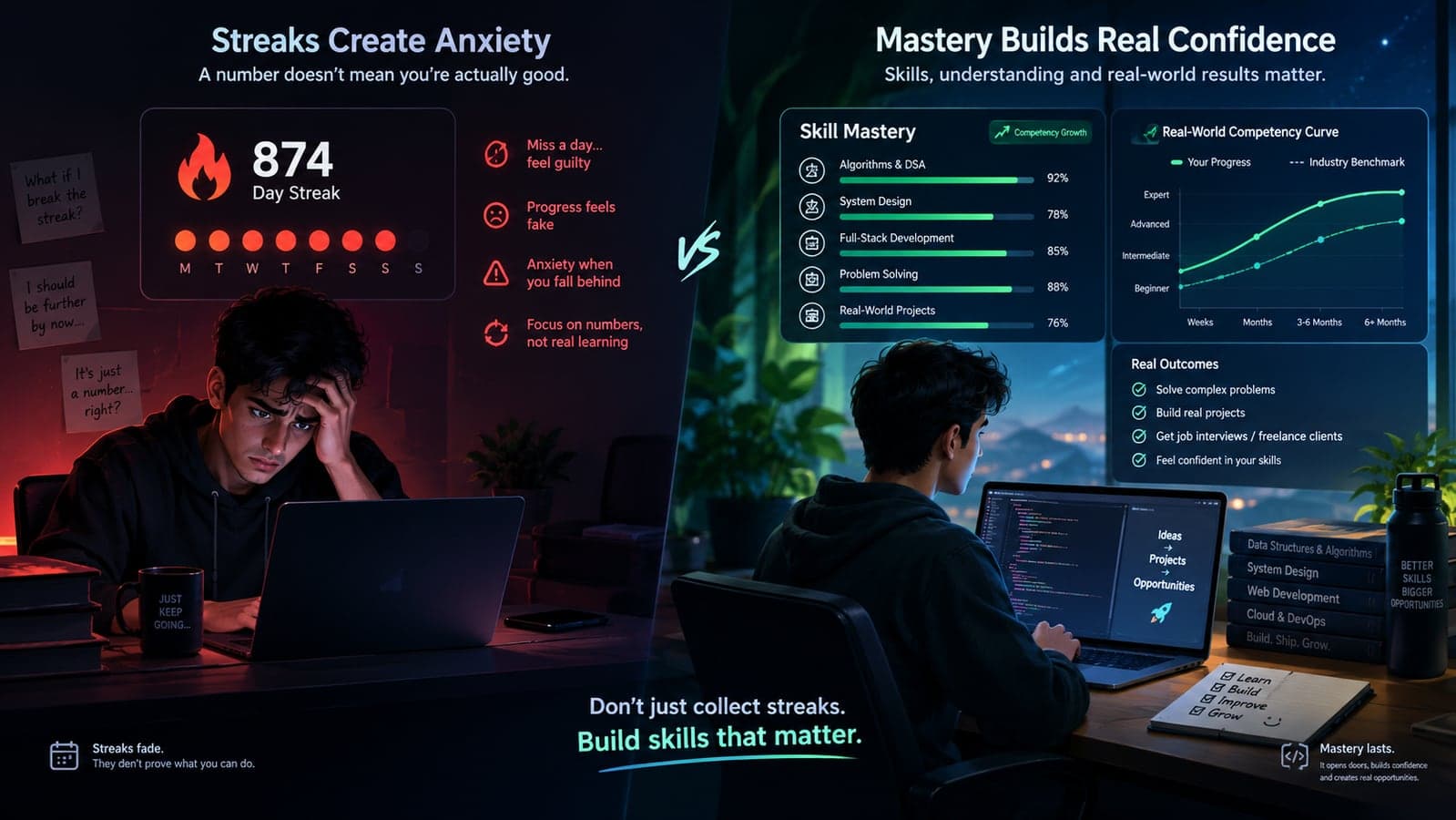
92% of developers now use AI coding tools daily, and $285 billion in SaaS market value evaporated because non-developers can vibe code their own tools. But developer trust in AI-generated code just dropped to 29%, and security firms are finding critical vulnerabilities in nearly every vibe-coded app they test. Here's the honest breakdown of what vibe coding is actually good for — and the exact point where it becomes expensive.

Tech companies have cut over 185,000 jobs in 2026, and AI is the most-cited reason — yet Nvidia's CEO calls that excuse "lazy," and the data suggests he has a point. A founder's breakdown of what's really happening, what "AI washing" means, and why this wave is quietly the biggest opportunity small teams have ever had.

More than half of small businesses now use AI, but most are still stuck at chatbots. This founder-led guide covers the 5 AI agent use cases that actually pay back, realistic monthly costs, the build-vs-buy decision, and a 30-day plan to deploy your first agent.