
What is web development — and why do businesses need it?
Custom websites and web applications built for speed, clarity, and measurable outcomes — planned with you, engineered by Taylance Tech.
Web development is the work of designing, building, and maintaining websites and web applications that people use in a browser. It covers public marketing sites, customer portals, internal tools, and connected backends that store data and talk to other systems.
Businesses need web development when a template site cannot express their offer, when forms and tools must connect to real operations, or when search visibility and load speed affect revenue. A brochure that looks fine on a laptop but fails on phones, or a site search engines struggle to read, quietly costs leads every week.
Taylance Tech provides web development as a professional service: discovery, architecture, design collaboration, engineering, testing, launch, and ongoing improvement. We focus on clear requirements, maintainable code, and honest advice about when a simpler builder is enough — and when custom work is the better investment.
Problems
Problems that push companies toward custom web development
These issues show up before buyers type “web development company” into a search box.
The site looks finished but does not convert
Pretty pages without clear paths to contact, signup, or purchase waste traffic.
Templates break under real business rules
Plugins and page builders cannot model your pricing, approvals, or data flows cleanly.
Pages load slowly on real phones
Heavy scripts and client-only rendering punish mobile visitors and search rankings.
Marketing cannot update content safely
Every copy change needs a developer, or worse, someone edits production by guesswork.
SEO was treated as a later add-on
Missing structure, weak metadata, and poor crawlability make good writing invisible.
Integrations are fragile or missing
CRM, payments, email, and analytics sit in separate silos that staff reconcile by hand.
Services
Web development services we provide
Engagements sized to the problem — from marketing sites to full web applications.
Custom web applications
Browser-based tools and platforms shaped around your workflows, roles, and data — not forced into a generic CMS mold.
Corporate and marketing websites
Fast, clear company sites built to explain the offer, build trust, and guide visitors toward contact or conversion.
Commerce and transactional web flows
Catalog, cart, checkout, and account experiences when selling online is part of the business model.
Progressive web app experiences
Installable, resilient web apps when offline habits, home-screen access, or app-like speed matter without two native codebases.
SEO-ready technical foundations
Server-rendered or statically generated pages, structured data, sitemaps, and Core Web Vitals work planned from the start.
APIs and system integration
Reliable connections between your website, internal systems, and third-party services your operations already use.
Guides
Related reading
Vendor-neutral guides on related topics — written to be useful on their own.
WCAG Explained
What WCAG is (and is not), how 2.0, 2.1, and 2.2 relate, what A / AA / AAA actually mean, and how a conformance claim is supposed to be written.
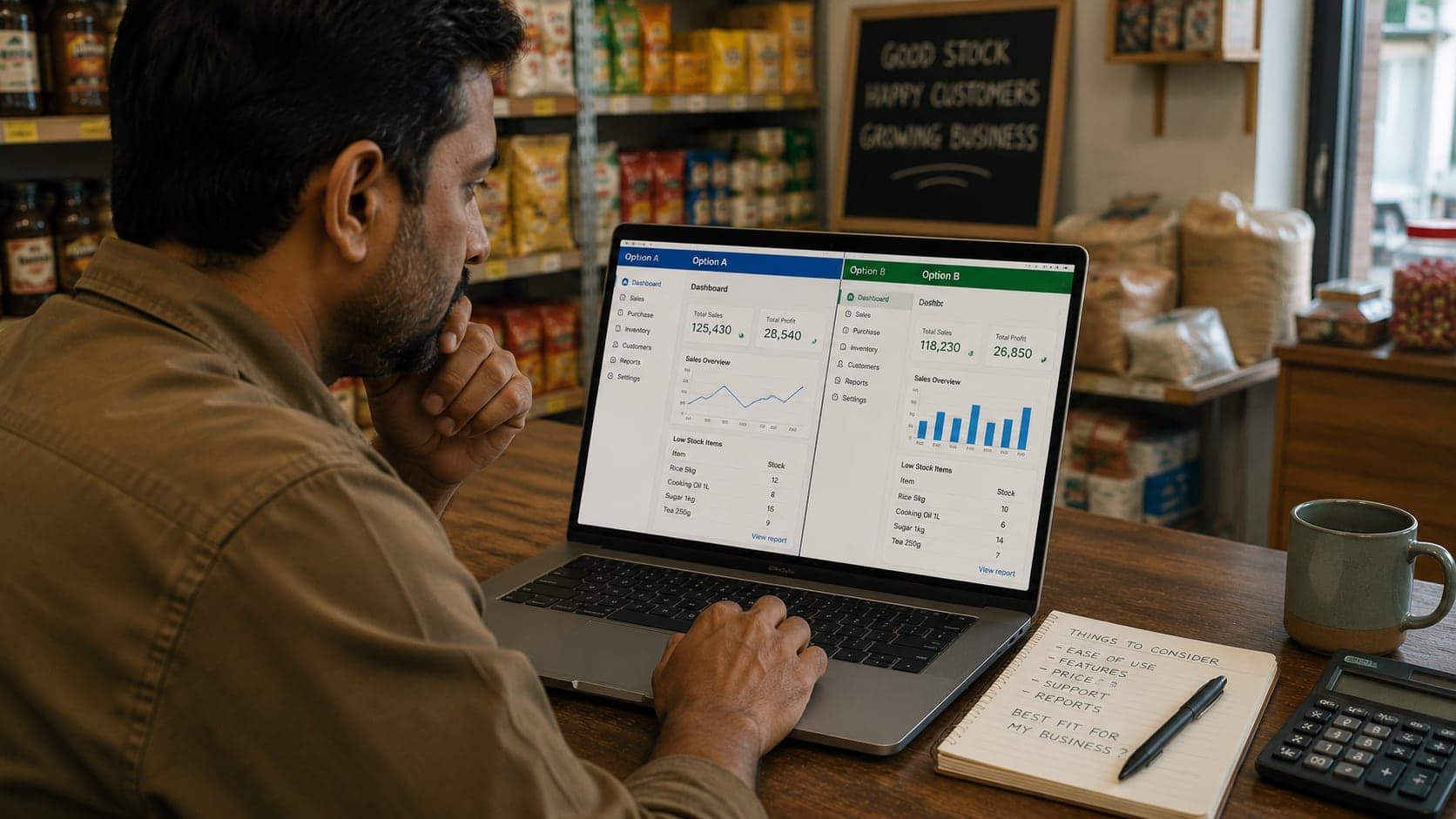
Choosing Shop Software
A seven-step buying process: audit your real problems, compare cloud and installed options, calculate true cost, run a proper trial, and migrate safely.
Browse the full collection on all guides, or read engineering articles on our blog.
Definition
What professional web development includes
A plain definition buyers can use when comparing agencies and freelancers.
Professional web development is more than choosing a theme. It includes clarifying the business job of the site or app, structuring content and navigation, designing usable interfaces, engineering frontends and backends, connecting data sources, testing quality, launching safely, and planning how the system will be updated.
For a marketing website, the job may be trust and lead capture. For a web application, the job may be letting signed-in users complete workflows that used to live in email and spreadsheets. Both are web development; the depth of engineering differs.
Taylance Tech treats web development as a delivery practice with written scope, visible milestones, and clear ownership of hosting, domains, analytics, and handoff documentation. You should always know what is being built and why.
- Requirements and success measures agreed early
- Information architecture and key user paths defined
- Frontend and backend engineered as one coherent system
- Launch, monitoring, and update habits planned — not improvised
Why businesses need it
Why businesses need custom web development
When DIY tools stop matching the cost of lost opportunity.
Businesses need custom web development when the website is part of how money is made or operations run. If visitors cannot find the offer, cannot trust the company, or cannot complete a request without friction, growth stalls even when ads spend rises.
They need it when internal teams waste hours copying data between tools. A web application that captures the right fields once and routes work correctly often pays for itself in saved labor and fewer errors.
They need it when brand and compliance require control. Cookie-cutter sites look interchangeable. Custom work can reflect positioning, accessibility expectations, and regional requirements without fighting a theme’s defaults.
They also need it when search and AI answer engines reward clear, fast, crawlable pages. Technical foundations decide whether strong content is discoverable.
Marketing sites
Corporate and marketing website development
Sites whose job is explanation, trust, and conversion.
A marketing website should answer who you are, what you offer, who it is for, and what to do next — without forcing visitors to hunt. That sounds simple; many sites bury the offer under stock phrases and decorative noise.
We structure pages around buyer questions: problem, approach, proof points you can stand behind, process, and contact. Visual design supports reading and scanning. Performance keeps bounce rates honest on mobile networks.
Content editing should not require a deployment ritual for every headline change. Where needed, we connect a headless CMS or an admin workflow so marketing can update copy and media while engineering keeps the front end stable.
Analytics and conversion events belong in the build plan. A site that cannot tell you which pages assist contact requests is incomplete for most commercial teams.
Web applications
Custom web application development
Signed-in tools and platforms that run real work in the browser.
Web applications differ from brochure sites because state, permissions, and data integrity matter on every screen. Users log in, complete multi-step tasks, and expect the system to remember their work safely.
We begin with the core loop: the smallest set of actions that delivers value. Extra features wait until that loop is reliable. This discipline protects budgets and keeps early releases usable.
Roles and permissions are designed early. Admin power is not given to every account by default. Audit-friendly trails for sensitive actions are discussed when your risk profile needs them.
APIs and database design are treated as product decisions, not afterthoughts. Clean boundaries make future mobile clients, partner integrations, or reporting jobs far less painful.
Performance
Performance and Core Web Vitals in practice
Why rendering strategy matters more than another hosting upgrade.
Many slow sites are slow because the browser must download large JavaScript bundles and build the page after the visit starts. Visitors on mid-range phones and ordinary mobile data feel that delay immediately.
We prefer architectures that send meaningful HTML quickly — through static generation or server rendering where they fit — then enhance interactivity carefully. Images, fonts, and third-party scripts are budgeted, not added casually.
Core Web Vitals give a shared language for loading, interactivity, and visual stability. We treat them as engineering targets during build, not as a panic project after marketing complains about bounce rate.
Performance work continues after launch. New features can reintroduce weight. Periodic review keeps the site honest as content and scripts grow.
- Choose rendering approach based on page type and update frequency
- Compress and properly size media
- Limit third-party scripts to those that earn their cost
- Measure on realistic devices and network conditions
SEO foundations
Technical SEO foundations inside web development
Discoverability planned with the build — not promised as magic rankings.
Web development cannot guarantee first-page rankings. It can remove technical barriers that hide good pages: weak heading structure, missing metadata, duplicate URLs, slow rendering, and content that exists only inside client-side scripts search engines struggle to interpret.
We implement clean semantic HTML, thoughtful title and description patterns, canonical rules, XML sitemaps, robots guidance, and structured data where it matches the page type. Open Graph tags support sharing previews.
As answer engines and AI summaries use web content, clear structure and crawlable HTML remain practical advantages. We write and mark up pages so both people and machines can understand the topic.
Migrations need redirect maps and parity checks. Launching a new site without preserving important URLs is a common self-inflicted traffic injury. We plan redirects as part of delivery when you are replacing an existing property.
Stack choices
How we choose a web technology stack
Pragmatic selection over fashion.
Stack choices should follow the problem: content shape, team skills, hosting preferences, integration needs, and timeline. We commonly use React and Next.js with TypeScript for modern web delivery because they support fast interfaces and strong rendering options for SEO-sensitive pages.
Databases are chosen for the data model and operational comfort — relational systems such as PostgreSQL for structured business data, document stores when they truly fit, and caching layers when read patterns demand them.
We avoid collecting technologies for the proposal slide. Every added service increases cost and failure modes. If a simpler approach meets the goal, we say so.
You receive documentation of what was chosen and why, so future developers are not decoding mystery decisions from chat history.
Integrations
APIs and third-party integrations
Connecting the website to the rest of the business.
Most valuable sites are not islands. They send leads to a CRM, take payments, trigger email, sync inventory-like records, or pull content from another system of record.
We design integrations with explicit contracts: what data moves, when it moves, how failures are retried, and who is notified when a third party is down. Silent failures are expensive.
Security around keys, webhooks, and user data is part of the build. Secrets do not belong in frontend code. Least-privilege access is the default conversation.
Where a middleware API is needed between modern web clients and older systems, we build that bridge deliberately instead of scattering one-off scripts.
Content editing
Editable content without breaking the site
Giving marketing control while protecting engineering quality.
Teams stall when every comma fix requires a developer sprint. They also stall when unrestricted editors break layouts and embed unsafe scripts.
We set editing boundaries that match your governance: which fields are free-form, which blocks are structured, who can publish, and how previews work before changes go live.
Headless CMS options or custom admin areas are selected based on budget and complexity. The frontend stays focused on performance and accessibility; the content system stays focused on editorial workflow.
Training and a short editing guide are part of a professional handoff. Tools without habits become unused licenses.
Accessibility
Accessibility as part of quality
Inclusive engineering without empty compliance theater.
Accessible sites help more people use your offer and often improve clarity for everyone. Semantic structure, keyboard use, labels, and contrast are baseline craft — not optional decoration.
We build with semantic HTML, thoughtful focus behavior, and ARIA only where native elements are not enough. We check contrast and run automated audits, then fix real issues rather than chasing a vanity score alone.
Full legal compliance depends on your jurisdiction, industry, and ongoing content practices. We do not sell a certificate that replaces your legal advice. We do engineer sites that respect widely used WCAG-oriented practices and remain maintainable.
New content can reintroduce problems. Editorial guidelines for alt text and heading order keep accessibility from decaying after launch.
Security basics
Security habits in web delivery
Practical controls without fear marketing.
No vendor can honestly promise a site will never be attacked. Professional delivery still includes authentication done correctly, protected admin routes, encrypted transport, careful handling of secrets, input validation, and dependency hygiene.
We discuss threat context with you: public brochure site versus authenticated app with sensitive data. Controls scale to risk. Over-engineering a five-page brochure wastes money; under-securing a portal creates real harm.
Hosting and update processes matter. Unpatched plugins on aging stacks are a common breach path in the wider industry. Custom builds reduce plugin sprawl but still need disciplined dependency updates.
If your sector needs formal audits or penetration tests, we can work alongside specialists. That work is scoped clearly rather than implied in a vague “secure” adjective.
Ecommerce flows
Commerce-oriented web development
When selling online is part of the engagement.
Commerce sites fail when checkout is confusing, slow, or surprising on cost. They also fail when catalog and stock data are wrong. Web development for commerce must treat catalog integrity and checkout clarity as primary features.
We implement product presentation, cart and checkout flows, payment provider integration, and order confirmation paths suited to your model. Complexity such as subscriptions, quotes, or B2B pricing is scoped explicitly.
Mobile checkout deserves special attention. Most visitors will attempt purchase on a phone. Guest checkout options, wallet payments where relevant, and minimal form friction are practical conversion work.
Analytics for funnel steps help you see where buyers abandon the path. Without events, optimization is storytelling.
PWA
When progressive web apps make sense
App-like web delivery without assuming native is required.
Progressive web apps can offer installability, stronger caching, and more resilient sessions for the right use cases. They are not automatically better than a well-built responsive site.
We recommend PWA patterns when repeat use is high, connectivity is uneven, or home-screen access improves adoption — and when a full native project is not yet justified.
Offline behavior must be designed honestly. Users should understand what works offline and what still needs a network. Fake offline promises damage trust.
If native mobile apps are the real goal, we discuss that as a separate service track rather than stretching a website into a poor imitation.
Migration
Website migration without unnecessary traffic loss
Replacing a site while protecting what already earns visits.
Migrations fail when teams redesign URLs casually, drop content that ranked, or launch without redirect coverage. Search equity is not guaranteed forever; careless cuts erase it quickly.
We inventory important URLs, map destinations, implement redirects, and verify critical pages after launch. Structured data and metadata are rebuilt with intent, not copied blindly from broken patterns.
Content parity decisions are conscious. Some old pages deserve improvement; some deserve retirement with redirects to stronger replacements. Those choices are documented.
Post-launch monitoring watches for crawl errors and unexpected traffic drops so fixes happen while the window to correct them is still open.
Builder vs custom
Website builder, template, or custom development?
An honest decision framework.
A website builder can be the right tool for a simple presence: a handful of pages, a contact form, and light updates. Custom development costs more and should buy capabilities a builder cannot provide cleanly.
Choose custom work when you need performance under growth, complex integrations, sophisticated application logic, distinctive interaction design tied to conversion, or a long-lived codebase your team will own.
If you are unsure, describe the outcomes you need for the next twelve months. We will say plainly whether custom web development is warranted — including when it is not.
Paying for custom work to imitate a simple brochure is a poor use of budget. Skipping custom work when operations depend on fragile manual exports is also a poor use of budget. The middle path is matching tool to job.
Engagement models
How engagements are usually structured
Commercial clarity without a one-size contract speech.
Most web development work fits a scoped project with milestones: discovery, build, launch. Larger or evolving products may shift into phased roadmaps or retained improvement cycles after the first release.
We document assumptions, out-of-scope items, and change-request handling. Scope surprises are how relationships sour; written boundaries protect both sides.
You will know who communicates with you. Direct access to the people doing the work beats a long message chain through account layers that cannot answer technical questions.
Timelines depend on content readiness, stakeholder availability, and third-party access. Delayed copy and delayed credentials delay launches more often than coding speed alone.
Content readiness
Content and asset readiness on the client side
What you prepare so engineering time is not wasted.
Even excellent engineering cannot invent your positioning, legal pages, or product facts. Projects move faster when brand guidelines, priority page copy, and image assets arrive on a schedule.
We help structure content outlines and page inventory. We do not pretend to replace your knowledge of your offer. Collaboration beats silence followed by a last-minute content dump.
Stock photography can fill gaps temporarily; weak or mismatched images still harm trust. Plan original media for key pages when brand impression matters.
Approval owners should be named. Committees that appear only at the end reverse weeks of decisions.
Quality assurance
Testing before your customers test it for you
QA as a release gate, not a slogan.
We test critical user paths on major browsers and viewport sizes. Forms, authentication, checkout, and integrations get focused attention because those failures are public and costly.
Edge cases matter: empty states, validation errors, expired sessions, and permission boundaries. Pretty happy-path demos are not enough.
Automated checks help; they do not replace human review of the flows that represent your business. We balance both according to project risk.
Launch checklists cover DNS, SSL, analytics, error monitoring, backups where relevant, and rollback thinking. Hope is not a go-live strategy.
After launch
After launch: maintenance and iteration
Software ages; neglect is a choice.
After launch, real users reveal friction that no workshop fully predicted. A short stabilization period to fix sharp edges is normal and healthy.
Dependency updates, content growth, and new campaign tags can affect performance and security. Scheduled maintenance prevents surprise fire drills.
Iteration should follow evidence: analytics, support tickets, and sales feedback. Building features nobody asked for is how budgets vanish.
We can remain involved for continuous improvement or hand over a documented codebase to your internal team. Either path needs a clean handoff package.
Mistakes
Web project mistakes we help clients avoid
Patterns that waste time and money.
Starting visual design before the page inventory and goals are clear leads to beautiful pages that do not convert.
Choosing tools because they are popular, not because they fit the problem, creates long-term cost.
Skipping mobile performance checks until the week of launch guarantees embarrassment.
Treating SEO and accessibility as post-launch patches multiplies rework.
Changing primary goals every sprint without adjusting scope turns the project into an expensive conversation loop.
Myths
Myths about web development services
Claims that confuse buying decisions.
Myth: a redesign alone fixes weak demand. Reality: design helps clarity; offer and traffic still matter.
Myth: more animations mean a more premium site. Reality: restraint and speed often feel more professional.
Myth: custom always beats a builder. Reality: custom is better when complexity justifies it.
Myth: SEO is a plugin you toggle on. Reality: structure, content, performance, and authority work together over time.
Myth: launch day is the finish line. Reality: launch is when learning starts.
Choosing a partner
How to choose a web development partner
Questions that reveal delivery quality.
Ask how they gather requirements and who you will speak with weekly. Ask how they handle change requests and content delays. Ask what they refuse to build and why.
Review how they talk about performance, SEO foundations, accessibility, and security. Vague adjectives are weaker than concrete practices.
Request clarity on ownership: code repository, hosting accounts, domain DNS, analytics properties. You should not be locked out of your own assets.
Taylance Tech welcomes these questions. We would rather lose a poor-fit project than win one that needs a different kind of vendor.
Poor fit
When this service is a poor fit
Boundaries that keep expectations professional.
If you need only a temporary one-page notice and have no plan to maintain anything, a builder may be enough.
If you need native iOS and Android apps as the primary product, that is a mobile engagement, not a website stretch goal.
If you need pure brand illustration without engineering, a design-only engagement may come first.
If stakeholders cannot name a decision owner, pause. Web projects without ownership do not finish; they churn.
Professional limits
Professional expectations and limits
What you can expect from Taylance Tech web development.
Expect structured discovery, clear communication, modern engineering practices, performance-aware delivery, technical SEO foundations, and a maintainable handoff.
Do not expect guaranteed search rankings, guaranteed conversion rates, or legal certification of compliance in every jurisdiction. Those outcomes depend on factors beyond code quality alone.
Do not expect unlimited scope inside a fixed price without tradeoffs. Changes are possible; they must be acknowledged.
Within those limits, web development is how your organization earns trust and completes work in the browser. That is the service we provide.
Process
How our web development process works
A clear sequence that keeps scope honest and progress visible.
Discovery and planning
We clarify goals, audiences, constraints, success metrics, and what must ship in the first release versus later.
Architecture and experience design
We define information structure, key user paths, technical stack, and integration points before production code hardens the wrong choices.
Iterative build
We develop in short cycles with demos you can review. Feedback arrives while changes are still affordable.
Quality assurance and launch
We test across devices and browsers, harden security basics, and handle deployment, domains, SSL, and monitoring setup.
Support and improvement
After launch we watch performance, fix issues quickly, and plan improvements from real usage — not guesswork.
Compare
Custom web development vs common shortcuts
Honest contrasts that help you choose the right level of investment.
| Criterion | With Taylance Tech | Common shortcut |
|---|---|---|
| Fit to your process | Built around your real workflows and data | Forced into template fields and plugin limits |
| Performance control | Rendering strategy and assets planned for speed | Page weight grows with every plugin and widget |
| Search readiness | Technical SEO foundations included in the build | SEO bolted on after launch, often too late |
| Integrations | APIs designed for your CRM, payments, and tools | Fragile Zap-style patches that break quietly |
| Long-term ownership | Maintainable codebase your team can extend | Locked themes and unknown vendor lock-in |
| When it is overkill | We say so if a simple builder is enough | Every lead is sold a custom project |
Stack
Technologies we work with
Production-proven tools selected to fit the problem — not collected for a slide deck.
Next.js
Framework
React
UI Library
TypeScript
Language
Tailwind CSS
Styling
Node.js
Runtime
PostgreSQL
Database
MongoDB
Database
Redis
Cache
GraphQL
API
Vercel
Deployment
AWS
Cloud
Docker
DevOps
Fit
Who this web development service fits
Organizations that need a serious web presence or tool — not a disposable five-page placeholder.
- Companies replacing a slow or outdated marketing website
- Teams that need a customer or partner portal in the browser
- Operators whose business rules no longer fit page-builder limits
- Founders validating a web product with clean architecture
- Marketing leaders who need editable content without breaking engineering quality
- Organizations migrating from legacy sites without throwing away search equity
Checklist
Web development project readiness checklist
Use this before kickoff to keep the first release focused.
- Primary business goal for the site or app written in one sentence
- Primary audiences named
- Must-have pages or workflows listed for version one
- Explicit out-of-scope list agreed
- Decision owner identified on the client side
- Brand assets and tone references gathered
- Content owners assigned for key pages
- Domain, DNS, and hosting access paths identified
- Analytics and conversion events defined
- Integration list with account access owners
- Mobile performance accepted as a launch requirement
- SEO migration needs noted if replacing an existing site
- Accessibility expectations discussed
- Launch window and content freeze date proposed
- Post-launch support expectation stated
Related
Related services
Other ways we can help when your project spans more than one discipline.
FAQ
Web development questions
Straight answers about scope, stack, content editing, migrations, and timelines.
What is included in your web development service?
We cover discovery, architecture, UI implementation, backend and API work where needed, integrations, testing, launch support, and documentation. Exact scope is written per project so marketing sites and complex web apps are not forced into one vague package.
Do you only build with Next.js and React?
Next.js, React, and TypeScript are common in our delivery because they fit many performance and SEO-sensitive builds. We select the stack from your constraints and can advise alternatives when they serve the project better.
Can our team update content after launch?
Yes. We can integrate a headless CMS or a tailored admin workflow so authorized people update text and media without touching application code. Editing rights and publish rules are designed with you.
Do you help migrate an existing website?
Yes. We inventory important URLs, plan redirects, rebuild technical SEO foundations, and verify critical paths after launch to reduce unnecessary traffic loss during a redesign.
Will my site be accessible?
We engineer with semantic HTML, keyboard use, labels, and contrast in mind, and we audit with common tools. Ongoing content practices also affect accessibility. Formal legal determinations remain with your advisors where required.
How long does a typical project take?
Timelines vary with scope. A focused marketing site and a multi-role web application do not share one calendar. After discovery we provide a milestone plan based on your page inventory, integrations, and content readiness.
Do you guarantee first-page Google rankings?
No. We implement technical foundations that help pages be crawlable, fast, and clear. Rankings also depend on content quality, competition, and authority over time. We will not sell guarantees we cannot control.
How do we start?
Contact Taylance Tech with your goals, current site if any, and timeline. We respond with fit assessment, recommended approach, and next steps for discovery.
Ready to discuss your website or web app?
Tell us your goals, current constraints, and timeline. We will give an honest read on fit, approach, and what a first release should include.